Windows 3 min read
Sliding windows open sideways in their frame, tilt and turn windows open into the room. How they compare on air, sealing, cleaning and space.
A sliding window moves one sash sideways along a track, behind or in front of a fixed pane. A tilt and turn window opens the whole sash into the room, or tips its top in for air. Both are simple to use. They suit different openings and different priorities.
Air and access
A sliding window can only open as far as the fixed pane next to it, so at best about half the opening lets air in. It takes no room inside or outside, which makes it handy in tight spots and on wide, low openings.
A tilt and turn sash opens fully. Turned sideways, the whole sash swings into the room on side hinges, so the full opening is free for air or for cleaning the outside of the glass from inside. Turned up, it tips in at the top for ventilation that stays safe in light rain and is hard to reach from outside.
Sealing, cleaning and security
A sliding sash has to move along its frame, so it seals with brushes or sliding weatherstripping along the track. A tilt and turn sash presses onto gaskets all around the frame when it closes, a compression seal that is squeezed shut instead of brushed. On our uPVC windows that means two or three gaskets, depending on the line, and U-factors from 0.13 to 0.26 Btu/h·ft²·°F (Comfort 76 Plus: 0.17 with triple glazing, 0.26 with double, rated to NFRC 100).
Cleaning a slider means reaching the outside of the fixed pane, which on an upper floor usually means a ladder or a removable sash. A tilt and turn window opens into the room, so both sides of every pane are within reach. A sliding window often locks with a single latch; a tilt and turn sash locks at several points around the frame, and our windows reach RC3 with security hardware and laminated glass.
Keep these trade-offs in mind:
- A slider never swings into the room, so it works behind furniture, over counters and in narrow spaces.
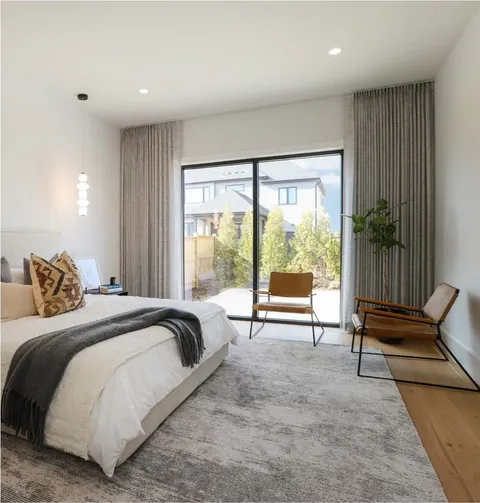
- A tilt and turn sash needs room to swing in, so plan for blinds and sills.
- Sliders suit wide, short openings; tilt and turn sashes suit openings taller than they are wide.
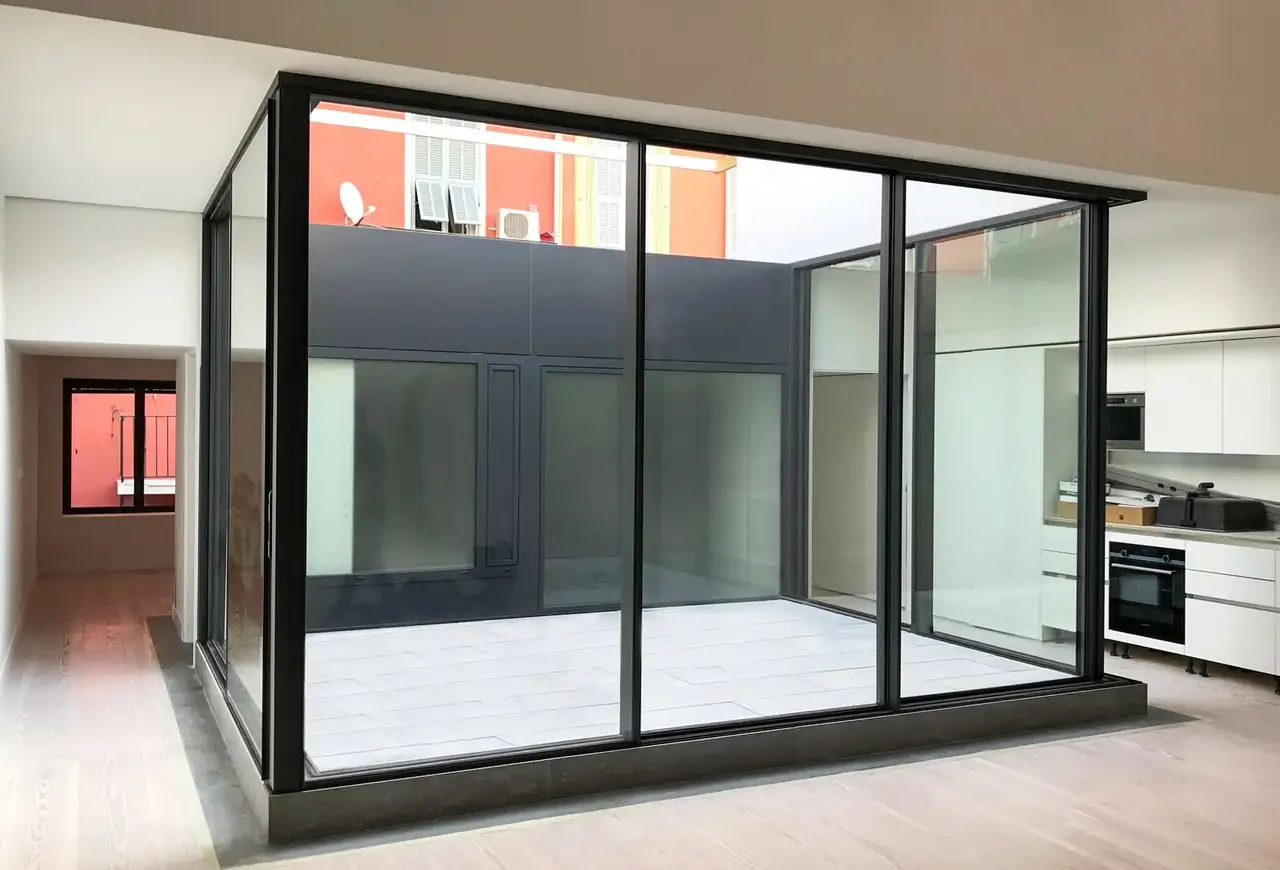
- For very wide openings, a sliding or lift-and-slide door is a better fit than any single window.
Where each one fits, and the in-between option
Start with the room, not the catalog. Measure the space in front of the window and decide where blinds, a desk or a bed will go. Think about who opens the window and how often: a child’s room, a busy kitchen and a guest room have different needs. Then look at the size of the opening, because width and height point to different solutions.
Choose a sliding window for a wide opening in a tight space, or where you want a simple slider at a lower cost. Choose tilt and turn where sealing, cleaning from inside and secure ventilation matter more, such as bedrooms and living rooms.
For large openings there are also sliding doors. The Select 76 is a five-chamber uPVC slider with an optional soft-close and a U-factor of 0.12 Btu/h·ft²·°F. Its sliding hardware uses four guiding and locking elements that control how the panel travels and closes. For bigger glass walls, our lift-and-slide doors move heavy panels on rollers with little effort.
The maximum sash height on our uPVC windows is 98-7/16”, and the maximum width depends on the line and the opening type. Send us your opening sizes and we will tell you what fits, or build a window in the configurator and see a live price as you choose.
Planning a project?
Send us your plans, measurements or a few photos and we will put together a quote for your home.